
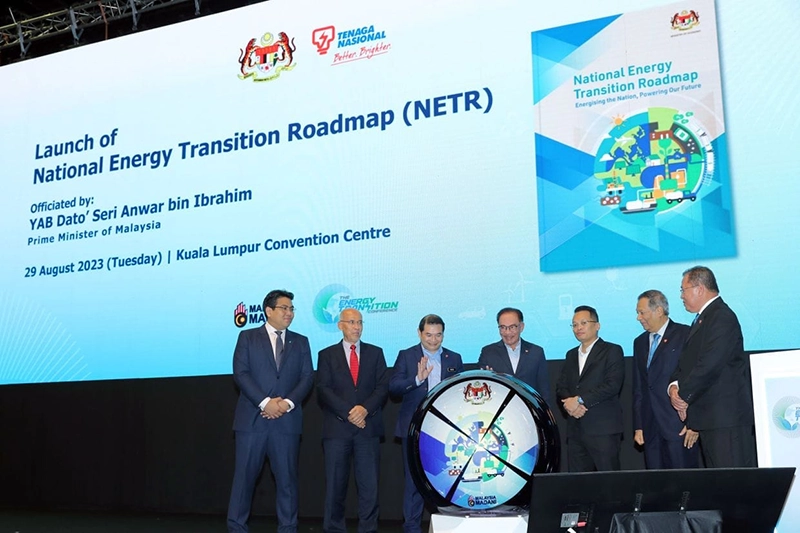
Malaysia is moving towards a greener and more sustainable future through the National Energy Transition Roadmap (NETR). Developed by the Government of Malaysia, NETR serves as a comprehensive national strategy to accelerate the country’s transition from fossil fuels to cleaner, more sustainable, and low-carbon energy sources.
More than just a government policy, NETR provides a long-term direction for the nation’s energy sector, encouraging green investments, driving economic growth, and creating new opportunities for businesses and Malaysians to participate in the country’s energy transformation.
What Are the Objectives of NETR?
The primary goal of NETR is to achieve sustainable economic growth while reducing carbon emissions and strengthening Malaysia’s energy security.
Some of its key objectives include:
- Achieving Net Zero greenhouse gas emissions as early as 2050.
- Reducing energy sector greenhouse gas emissions by 32%.
- Expanding the adoption of renewable energy across the country.
- Creating more green jobs and supporting the growth of the green economy.
- Attracting new investments in clean energy and sustainable technologies.
The Six Key Energy Transition Levers
NETR is built around six strategic energy transition levers that will drive Malaysia’s journey towards a low-carbon future.
1. Energy Efficiency
Promoting efficient energy use across residential, commercial, and industrial sectors to reduce energy consumption and improve overall efficiency.
2. Renewable Energy
Accelerating the adoption of renewable energy sources such as solar, hydropower, and bioenergy to diversify Malaysia’s energy mix.
3. Green Hydrogen
Developing a green hydrogen industry as a future clean energy source that supports industrial growth and decarbonisation.
4. Bioenergy
Maximising the use of agricultural waste and biomass to produce renewable energy and reduce dependency on fossil fuels.
5. Green Mobility
Encouraging the adoption of electric vehicles (EVs), biofuels, and low-carbon transportation systems to reduce emissions from the transport sector.
6. Carbon Capture, Utilisation and Storage (CCUS)
Implementing carbon capture technologies to reduce greenhouse gas emissions while supporting industrial sustainability.
The Role of Solar Energy in NETR
One of the major priorities under NETR is the rapid expansion of solar energy in Malaysia. The roadmap outlines several key initiatives, including:
- Increasing solar installation capacity progressively towards 2050.
- Developing more large-scale solar projects.
- Expanding rooftop solar installations for residential and commercial buildings.
- Strengthening the national electricity grid to support greater renewable energy
integration.
These initiatives highlight solar energy as one of the country’s most important clean energy sources for the future.
Benefits for Homeowners and Businesses
NETR creates greater opportunities for both homeowners and businesses to enjoy the advantages of solar energy, including:
- Lower monthly electricity bills.
- Protection against rising energy costs.
- Reduced carbon footprint through clean energy adoption.
- Increased property value.
- Supporting sustainability and Environmental, Social and Governance (ESG) goals.
Positive Impact on Malaysia’s Economy
According to NETR, the roadmap is expected to deliver significant economic benefits by 2050.
These include:
- An additional RM220 billion contribution to Malaysia’s Gross Domestic Product (GDP).
- Creation of approximately 310,000 green jobs.
- Energy transition investments of RM1.2 to RM1.3 trillion.
- Strengthening Malaysia’s position as a regional low-carbon economy and clean
energy investment hub.
Why Is Now the Right Time to Go Solar?
With the implementation of NETR, the Malaysian Government is placing greater emphasis on renewable energy through supportive policies, infrastructure development, and investment initiatives.
For homeowners and businesses, installing a solar PV system is more than just a way to reduce electricity costs—it is a long-term investment that aligns with Malaysia’s national energy transition strategy while contributing to a cleaner and more sustainable future.
Conclusion
The National Energy Transition Roadmap (NETR) marks a significant milestone in Malaysia’s journey towards a cleaner, more efficient, and sustainable energy future. By prioritising renewable energy, energy efficiency, green mobility, and low-carbon technologies, NETR creates valuable opportunities for individuals and businesses to become part of the nation’s energy transformation.
If you are considering installing a solar PV system, now is an excellent time to embrace clean energy, enjoy long-term electricity savings, and contribute to Malaysia’s vision of a greener future.
Source: National Energy Transition Roadmap (NETR), Ministry of Economy Malaysia, 2024.