
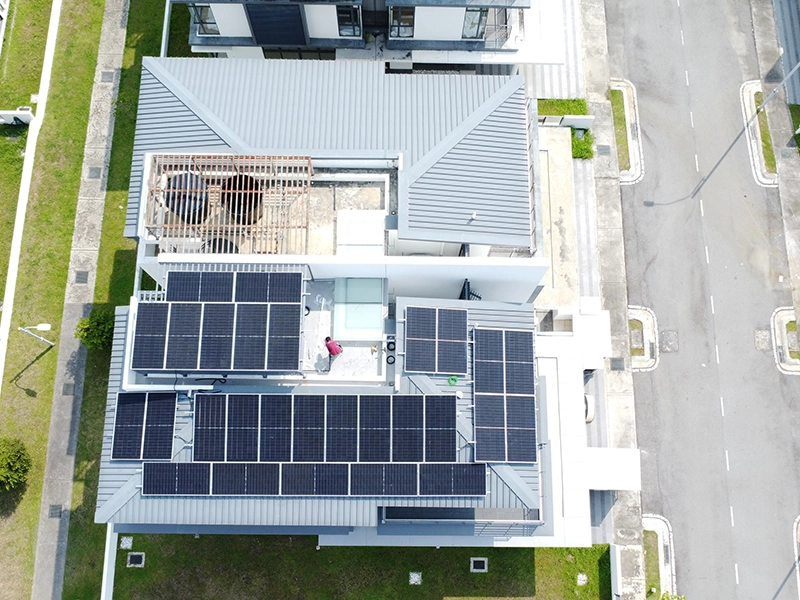
Malaysia is entering a new phase in its renewable energy journey with the introduction of the Solar Accelerated Transition Action Programme (Solar ATAP). Launched by the Government of Malaysia, this initiative aims to accelerate the adoption of rooftop solar photovoltaic (PV) systems while increasing the country’s renewable energy (RE) generation.
Solar ATAP is the successor to the Net Energy Metering (NEM) programme, which concluded at the end of June 2025. The new programme offers a more flexible and attractive framework, allowing more homeowners and businesses to benefit from installing solar PV systems.
What is Solar ATAP?
Solar ATAP is a government programme that enables residential, commercial, and industrial consumers to install rooftop solar PV systems to generate their own electricity. Any excess electricity generated can be exported back to the national grid as an energy offset, allowing consumers to maximise the value of their solar energy production.
The programme supports Malaysia’s commitment to increasing renewable energy adoption while accelerating the nation’s transition towards a low-carbon economy.
Key Features of Solar ATAP
1. Export Excess Energy to the Grid
Similar to the previous NEM programme, Solar ATAP allows excess electricity generated by a solar PV system to be exported back to the electricity grid as an energy offset. This enables consumers to optimise the use of the energy produced by their solar systems.
2. A More Flexible Programme
Solar ATAP retains the core principles of the NEM programme while introducing improvements that make it more attractive than the previous Solar for Self-Consumption (SelCo) programme.
3. Optimised Installation Capacity
Under Solar ATAP, the maximum solar PV installation capacity is set at:
- Up to 100% of the Consumer Maximum Demand (CMD) for eligible consumers; or
- Up to 1MW, depending on the consumer category.
This allows consumers to install a solar system that better matches their electricity
consumption needs.
Who Oversees the Programme?
Solar ATAP is implemented through the collaboration of several key government agencies:
- Ministry of Energy Transition and Water Transformation (PETRA) – Programme lead.
- Energy Commission (ST) – Regulatory authority.
- Sustainable Energy Development Authority (SEDA Malaysia) – Implementing
agency.
Together, these organisations ensure that the programme is implemented efficiently and in accordance with national regulations and guidelines.
Benefits of Solar ATAP
Solar ATAP offers a range of benefits for homeowners and businesses, including:
- Lower monthly electricity bills.
- Maximised solar energy utilisation through the energy offset mechanism.
- Greater flexibility in solar PV system sizing.
- Reduced carbon emissions through clean energy adoption.
- Increased property value with the installation of renewable energy systems.
Why is Solar ATAP Important?
As demand for clean energy continues to grow and electricity costs remain subject to market fluctuations, Solar ATAP provides consumers with an opportunity to generate their own electricity while contributing to Malaysia’s renewable energy goals.
For both homeowners and businesses, installing a solar PV system is not only a smart way to reduce long-term electricity expenses but also a sustainable investment that supports the country’s clean energy transition.
Conclusion
The Solar Accelerated Transition Action Programme (Solar ATAP) represents a significant step forward in expanding the adoption of solar energy across Malaysia. By allowing excess solar energy to be exported to the national grid, offering greater installation flexibility, and building upon the success of the NEM programme, Solar ATAP creates more opportunities for Malaysians to embrace clean, renewable energy.
If you are considering installing a solar PV system for your home or business, Solar ATAP provides an excellent opportunity to invest in renewable energy, reduce your electricity costs, and contribute to a greener and more sustainable future.